Furnace Short Cycling: Causes and Fixes
Furnace short cycling means your furnace turns on, runs for only a few minutes, and shuts off before your home reaches the thermostat setting, then repeats. The most common causes are a clogged air filter, a furnace that overheats and trips its high-limit switch, a dirty flame sensor, a poorly placed or failing thermostat, and a furnace that is too big for the house. A filter change or thermostat fix is often something you can handle yourself; flame sensor, limit switch, and sizing problems call for a licensed HVAC technician.
Short cycling is easy to miss at first. The house still feels warm-ish and the furnace still comes on. But every extra start puts wear on the igniter, blower motor, and controls, and a furnace that never finishes a full cycle wastes energy and leaves rooms uneven.
What Does Normal Furnace Cycling Look Like?
A furnace is supposed to cycle on and off. When the temperature drops below your thermostat setting, the furnace starts, warms the house to the set point, and shuts off. On a cold North Texas morning that cycle usually runs for several minutes at a time, and the furnace typically starts only a few times an hour.
Short cycling looks different:
- The burners light and the furnace shuts down after only a few minutes
- The furnace restarts again shortly after, over and over
- The thermostat setting is never quite reached, or rooms feel uneven
- You hear the furnace starting and stopping much more than usual
1. A Dirty or Clogged Air Filter
This is the first thing to check and the easiest to fix. A clogged filter starves the furnace of airflow, so heat builds up inside the cabinet. The furnace has a safety control called a high-limit switch that shuts the burners off when it gets too hot. Once it cools down, it starts again, overheats again, and shuts off again.
What you can do: Pull the filter and hold it up to a light. If you cannot see light through it, replace it. Most homes need a new filter every one to three months during heavy use, sooner with pets or after construction dust.
2. Blocked Vents and Return Grilles
Airflow problems are not always at the filter. Closed supply registers, furniture over a return grille, or rugs covering floor vents can restrict airflow enough to trip the limit switch the same way a dirty filter does.
What you can do: Walk the house and make sure supply vents are open and return grilles are clear. Closing vents in unused rooms to “save energy” can actually make short cycling worse.
3. A Dirty Flame Sensor
The flame sensor is a small metal rod that confirms the burners have lit. When it gets coated with residue, it cannot detect the flame reliably, so the furnace shuts the gas off as a safety measure, often a few seconds to a minute after lighting. Then it tries again.
What to do: Flame sensor cleaning is part of a proper furnace tune-up. Because it means working inside the burner compartment of a gas appliance, we recommend leaving it to a technician. If your furnace lights and then quits within a minute, a dirty or failing flame sensor is a likely cause.
4. Thermostat Problems
Sometimes the furnace is fine and the thermostat is giving bad instructions. Common culprits:
- Bad location. A thermostat near a supply vent, in direct sun, or next to a lamp or kitchen heats up quickly and tells the furnace to stop early.
- Weak batteries or loose wiring. These can cause the thermostat to drop the call for heat.
- Settings. Some smart thermostats have cycle-rate or temperature swing settings that may not match your system.
What you can do: Replace the batteries, check that the thermostat is level and secure, and look for heat sources nearby. If the thermostat sits in a warm spot, moving it to an interior wall away from vents and sunlight often solves the problem.
5. An Oversized Furnace
If short cycling has been happening since the furnace was installed, the system may be too large for your home. An oversized furnace heats the air near the thermostat very quickly, shuts off, and leaves the rest of the house uneven. It also starts and stops far more than it should, which shortens its life.
This is not something a filter change will fix. Read our guide to whether your furnace is oversized for your home to learn how proper sizing works and what your options are.
6. Overheating From Other Causes
If the filter is clean and vents are open but the furnace still shuts off on high limit, the restriction may be somewhere you cannot see: a dirty blower wheel, a weak blower motor, undersized or damaged ductwork, or a failing limit switch. Overheating is a safety issue. Repeated high-limit trips put stress on the heat exchanger, the part that keeps combustion gases separate from the air you breathe.
7. Venting or Exhaust Problems
Gas furnaces have pressure switches and safety controls that confirm exhaust is venting correctly. A blocked flue, a bird nest, debris in the intake or exhaust pipe, or a pressure switch problem can shut the furnace down shortly after it starts.
If you smell gas, or your carbon monoxide alarm goes off, leave the house and call your gas utility or 911 from outside. Do not try to troubleshoot venting yourself.
When to Call a Professional
Book a furnace repair visit if:
- Short cycling continues after a new filter and open vents
- The furnace lights and shuts off within a minute or so
- You hear repeated clicking, or the furnace tries to start several times before lighting
- You notice burning smells, unusual noises, or soot
- The problem started right after a new installation
Polarity Air offers same-day service across North Texas, with a 60-minute average arrival. Check our current offers, including the $79 furnace diagnostic. If your furnace is older and short cycling is one problem among many, it may be worth comparing repair with furnace replacement.
How to Prevent Short Cycling
Most short cycling causes come back to airflow and dirt, which is exactly what regular maintenance addresses. Change your filter on schedule, keep vents and returns clear, and get a yearly furnace tune-up before the heating season. A tune-up from Polarity is $59, and our POLARCLUB maintenance plans cover yearly maintenance and come with a free smart thermostat.
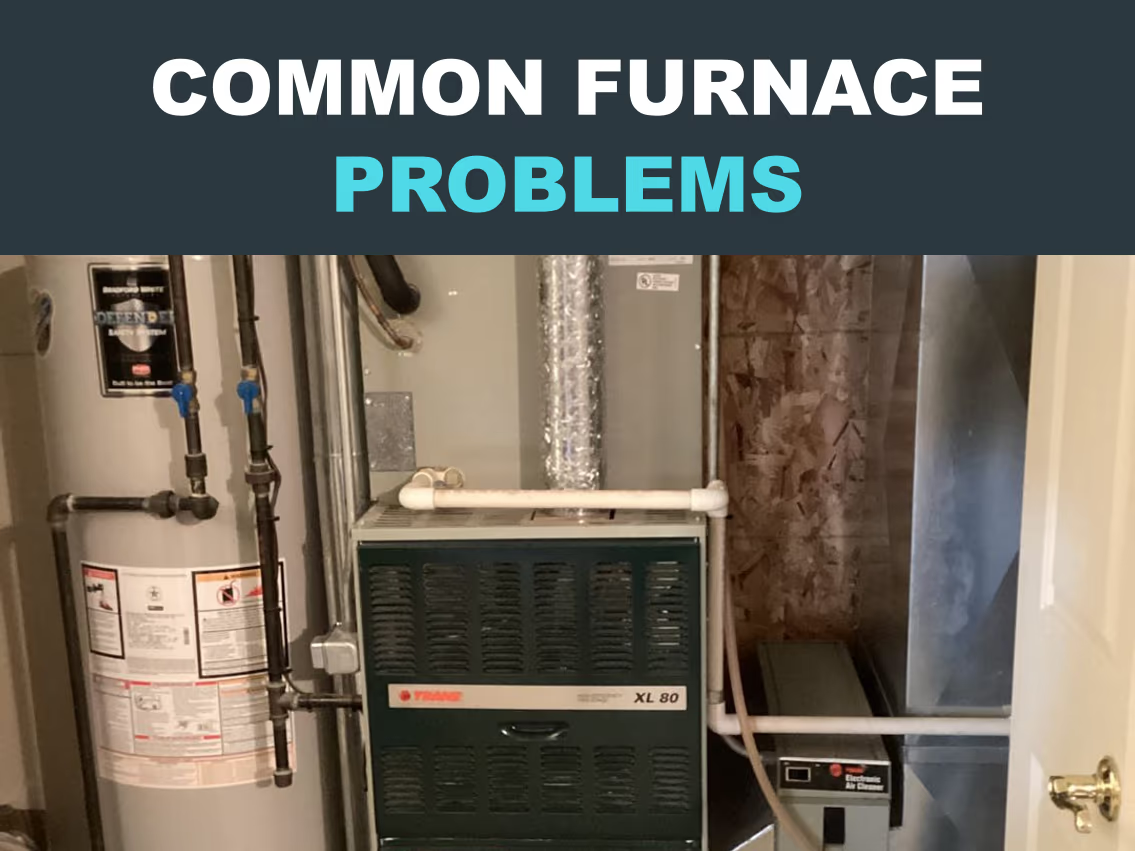
For more warning signs to watch for this winter, see our guide to common furnace problems and how to fix them.
Furnace Short Cycling FAQs
What is furnace short cycling?
Short cycling is when a furnace turns on, runs for only a few minutes, and shuts off before the home reaches the thermostat setting, then starts again soon after. It wastes energy, causes uneven temperatures, and adds wear to furnace parts.
Can a dirty filter cause a furnace to short cycle?
Yes. A clogged filter restricts airflow, the furnace overheats, and the high-limit safety switch shuts the burners off. Replacing the filter is the first thing to try.
Why does my furnace turn on and then shut off after a minute?
If the burners light and shut off within a minute or so, the most likely cause is a dirty or failing flame sensor that cannot confirm the flame. Pressure switch or venting problems can also do this. A technician should inspect and clean these parts.
Can an oversized furnace short cycle?
Yes. A furnace that is too large for the home heats the space near the thermostat too quickly and shuts off early. If short cycling started when the furnace was installed, sizing is a likely cause.
Is short cycling dangerous?
It can be. Short cycling caused by overheating or venting problems affects safety controls and the heat exchanger. If it continues after you change the filter, have the furnace inspected. If you smell gas or a carbon monoxide alarm sounds, leave the home and call for help from outside.
Furnace starting and stopping all day? Call Polarity Air at (972) 379-7563 or book online and a licensed technician (TDLR #830431) will find the cause and get your heat running right.